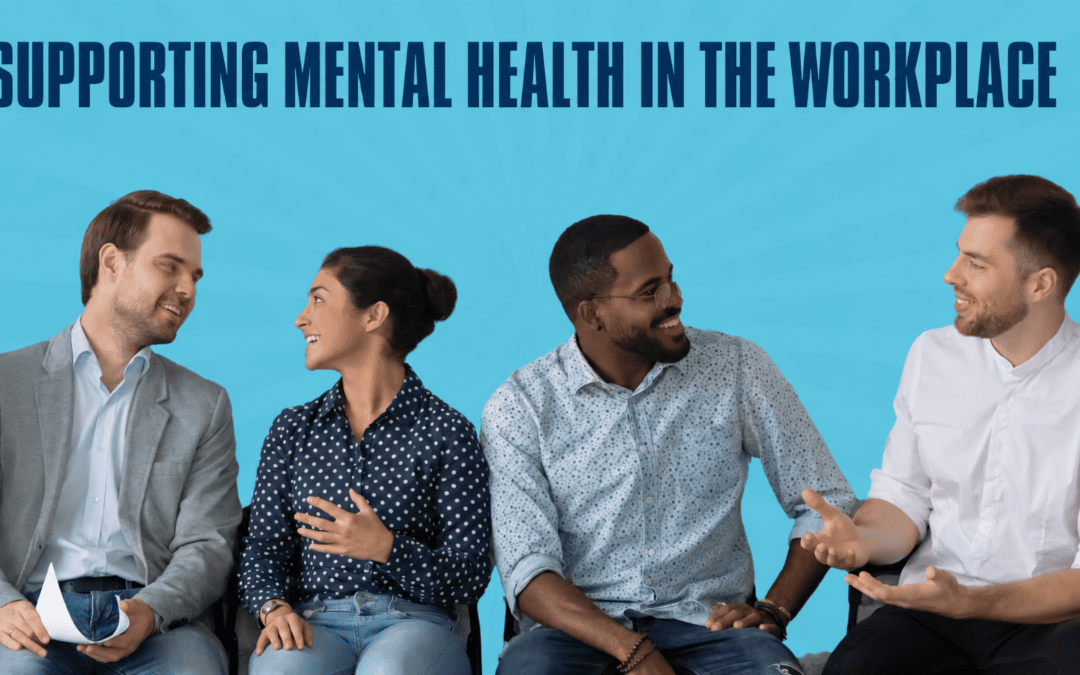
May is Mental Health Awareness Month — also known as the time of year when every newsletter, workplace, and social media feed gently reminds us to breathe, hydrate, and maybe stop answering emails at 11PM. (All good advice, by the way.)
At Guardian Nurses, we don’t need a special month to know how important mental health is. We see it every day in the patients and families we support, and to be honest — we see it in ourselves, too.
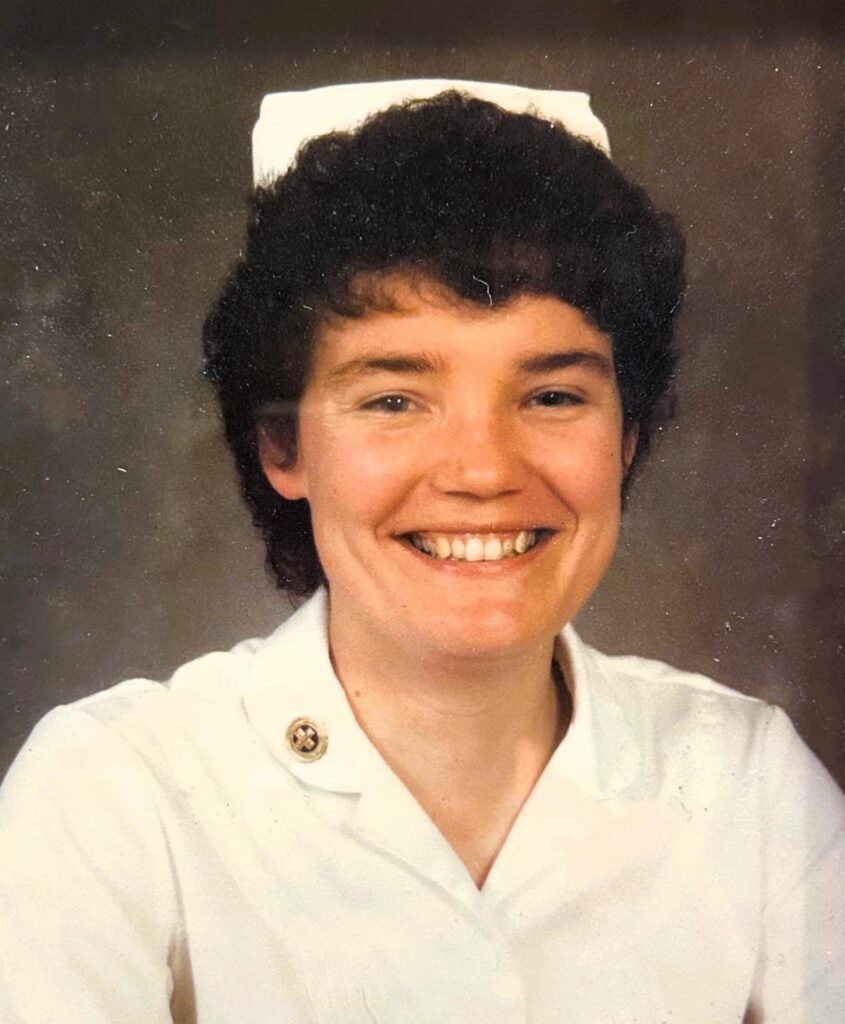
Abington Memorial Hospital School of Nursing 1986
Healthcare is rewarding, meaningful work, but it’s also human work. And humans come with stress, emotions, and the occasional moment of wondering why the coffee machine hates us or why our iPhones turned off for no apparent reason.
This month’s issue of The Flame focuses on what employers can do to support mental health in the workplace. When people feel supported, they show up better. They communicate better. They take care of themselves better. And yes, they even handle rainy Monday mornings better.
So take a breath, give a chuckle at my nursing school graduation photo — 40 years ago! and enjoy this month’s issue.
— Betty Long, RN, MHA, President/CEO, Guardian Nurses Health Advocates
May is Mental Health Awareness Month, and it’s a good reminder that mental health isn’t something we leave at the door when we walk into work. Whether employees are managing stress, caring for aging parents, juggling chronic conditions, or simply trying to keep up with the pace of life, mental health plays a major role in how they show up every day.
Everyday, our nurse advocates see firsthand how emotional well‑being affects physical health, decision‑making, and a person’s ability to navigate the healthcare system. Employers who take mental health seriously don’t just support their people—they strengthen their organizations.
Here are some meaningful, practical ways employers can make a difference.
Normalize the Conversation
Mental health becomes easier to talk about when leaders talk about it. When managers acknowledge stress, workload pressures, or the importance of taking time off, it signals that mental health isn’t taboo. A simple “How are you doing?”—asked sincerely—can open the door for someone who’s struggling.
Make Benefits Easy to Understand
Many employees don’t know what resources they have—or how to access them. Employers can help by sharing simple, plain‑language summaries of mental health benefits, EAP services, and teletherapy options. And not just during open enrollment. Regular reminders go a long way.
This is also where our nurse advocates shine: helping members find providers, navigate referrals, and get the support they need.
Offer Flexibility When Possible
Rigid schedules and heavy workloads are major contributors to burnout. Flexibility—whether in hours, location, or expectations—can make a tremendous difference. Encouraging employees to take PTO (and taking it yourself!) reinforces that rest is not only allowed but necessary.
Train Managers to Recognize When Someone Needs Support
Managers are often the first to notice when something seems “off,” but many feel unsure about what to say or do. Training can help them check in with empathy, understand their role, and know when to connect someone with HR, EAP, or a nurse advocate.
Reduce Stigma Through Ongoing Communication
One email in May won’t change culture. But consistent messaging throughout the year—sharing resources, highlighting wellness programs, and reminding employees that seeking help is a sign of strength—helps build trust and reduces stigma.
Partner With Experts
Accessing mental health care can be confusing and overwhelming. Nurse advocates can help employees find the right providers, understand their options, and feel supported throughout the process. Sometimes just knowing someone is walking alongside them makes all the difference.
A Kinder Workplace Starts With You
Whether you’re a CEO, a supervisor, or simply the person who always remembers to ask how someone’s doing, you play a role in shaping the emotional climate of your workplace. Every supportive conversation, every moment of patience, every effort to make resources easier to access—it all adds up. A kinder workplace isn’t built in a day, but it is built by people who care.
A Healthier Workplace Helps Everyone
Mental health affects all of us—regardless of job title, age, or personality. When employers create environments where people feel safe, supported, and valued, everyone benefits. Productivity improves, turnover decreases, and employees feel more connected to their work and to each other.
As we recognize Mental Health Awareness Month, it’s a good time for all of us—employers, leaders, and colleagues—to remember that compassion is one of the most powerful tools we have. A kinder workplace truly does start with you.