Besides coming down with a nasty cold the last two weeks—which was a very clear reminder of how much we rely on feeling well—I’ve had a few other quiet prompts that January is a good time to turn our attention back to routine health screenings. An eye exam that had been overdue. A mammogram I kept meaning to schedule. A routine dental visit that somehow kept sliding to the bottom of the list.
None of it felt urgent. I felt fine. Life was full. And that’s often how preventive care gets postponed—not out of neglect, but out of normal, busy living.
Preventive care isn’t about waiting for something to feel wrong. It’s about checking in before it does.
Many common health issues develop slowly and quietly, without symptoms that demand immediate attention.
This month’s issue of The Flame is simply an invitation to reset. To schedule the things we’ve been meaning to schedule. Because preventive care only works if it happens—and January gives us a natural moment to begin again.
— Betty Long, RN, MHA, President/CEO, Guardian Nurses Health Advocates
Most of us agree preventive care is a good idea.
We believe in it. We support it. We fully intend to get to it… eventually.
And yet, preventive care is often the first thing we postpone when life gets busy—which, conveniently, is always.
Annual physicals get delayed. Screenings slide to the bottom of the list. That “I should probably mention this” symptom never quite makes it into the appointment. Not because we don’t care, but because nothing feels urgent. And when nothing feels urgent, prevention quietly loses its power.
When Prevention Turns into Procrastination
Preventive care works best when it happens before something feels wrong. That’s the entire point. But many people wait until a test becomes overdue, a symptom becomes louder, or a problem announces itself with enthusiasm.
Common reasons people postpone:
- “I feel fine.”
- “I don’t have time.”
- “I’ll do it after this busy stretch.”
- “It’s probably nothing.”
- “I don’t want to deal with it right now.”
None of these are unreasonable. But over time, postponement shifts preventive care from protective to reactive—and that’s when costs, complexity, and stress tend to increase. Because if you’re trying to get an appointment in a hurry, it’s likely you’re going to be heading to urgent care or the emergency room.
The Sneaky Nature of ‘Nothing’s Wrong’
Some of the most important conditions don’t announce themselves loudly. High blood pressure. Elevated cholesterol. Early diabetes. Bone loss. Certain cancers. These often progress quietly, without pain or drama, until they don’t.
Preventive screenings and routine checkups exist because waiting for symptoms is often waiting too long. They’re not designed to find problems in people who feel unwell—they’re designed to catch changes in people who feel just fine.
In other words, “I feel okay” is not a disqualifier. It’s the target audience.
The Myth of the ‘Perfect Time’
Many people delay preventive care waiting for the right moment—less work stress, better weather, a calmer calendar. That moment is elusive. Life rarely hands us a blank week and a gentle nudge.
The truth? Preventive care doesn’t require perfection. It requires scheduling. One appointment. One conversation. One test. Small steps done imperfectly are far more effective than perfect intentions postponed indefinitely.
Prevention Saves More Than Money
Yes, preventive care can reduce long-term healthcare costs—but its real value shows up elsewhere:
- Fewer surprises
- More options if something is found
- Less urgent decision-making
- More control over next steps
Early detection often means simpler treatment, more choices, and better outcomes. It also means less time spent navigating the healthcare system under pressure—a scenario no one enjoys.
A Simple Reset
If preventive care has slipped off your radar, you don’t need a full health overhaul. Start small:
- Schedule one overdue appointment
- Get one screening you’ve been postponing
- Write down the symptom you’ve been ignoring and bring it up
Prevention isn’t about doing everything at once. It’s about not doing nothing for too long.
Your future self—the one with fewer complications and more options—will be glad you didn’t wait.
Commonly Postponed Preventive Screenings
(A.k.a. “The ones people mean to schedule… eventually”)
- Annual physical exam – Even when you “feel fine,” this is where trends (blood pressure, weight, labs) get spotted early.
- Blood pressure & cholesterol checks – Often silent for years. Frequently discovered after they’ve already done some damage.
- Cancer screenings – Including mammograms, colonoscopies, stool-based tests, Pap tests, prostate discussions, and skin checks—many of which are delayed due to inconvenience, not risk.
- Bone density screening – Especially postponed by women, despite fracture risk rising quietly with age.
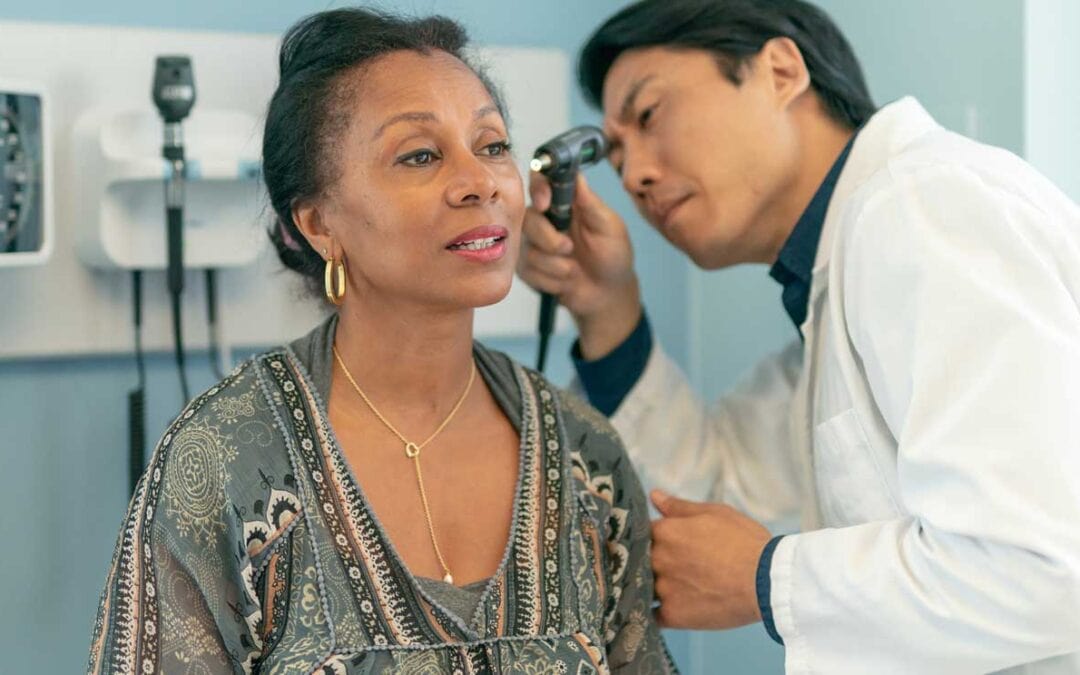
- Vision and hearing exams – Changes are gradual, so people adapt instead of evaluating—until safety or quality of life is affected.
- Vaccinations & boosters – Flu, shingles, pneumonia, tetanus—often skipped because they’re “not urgent,” until suddenly they are. (There’s still time to get that flu shot!)